Picking the right locksmith affects your security more than many expect. This piece explains why hiring a licensed or certified locksmith matters for homes, cars, and businesses. Expect practical examples from field experience and clear signs to watch for when you search for "locksmith near me". Whether you need a 24 hour locksmith or a car key replacement, the distinctions below will protect your property and your wallet.
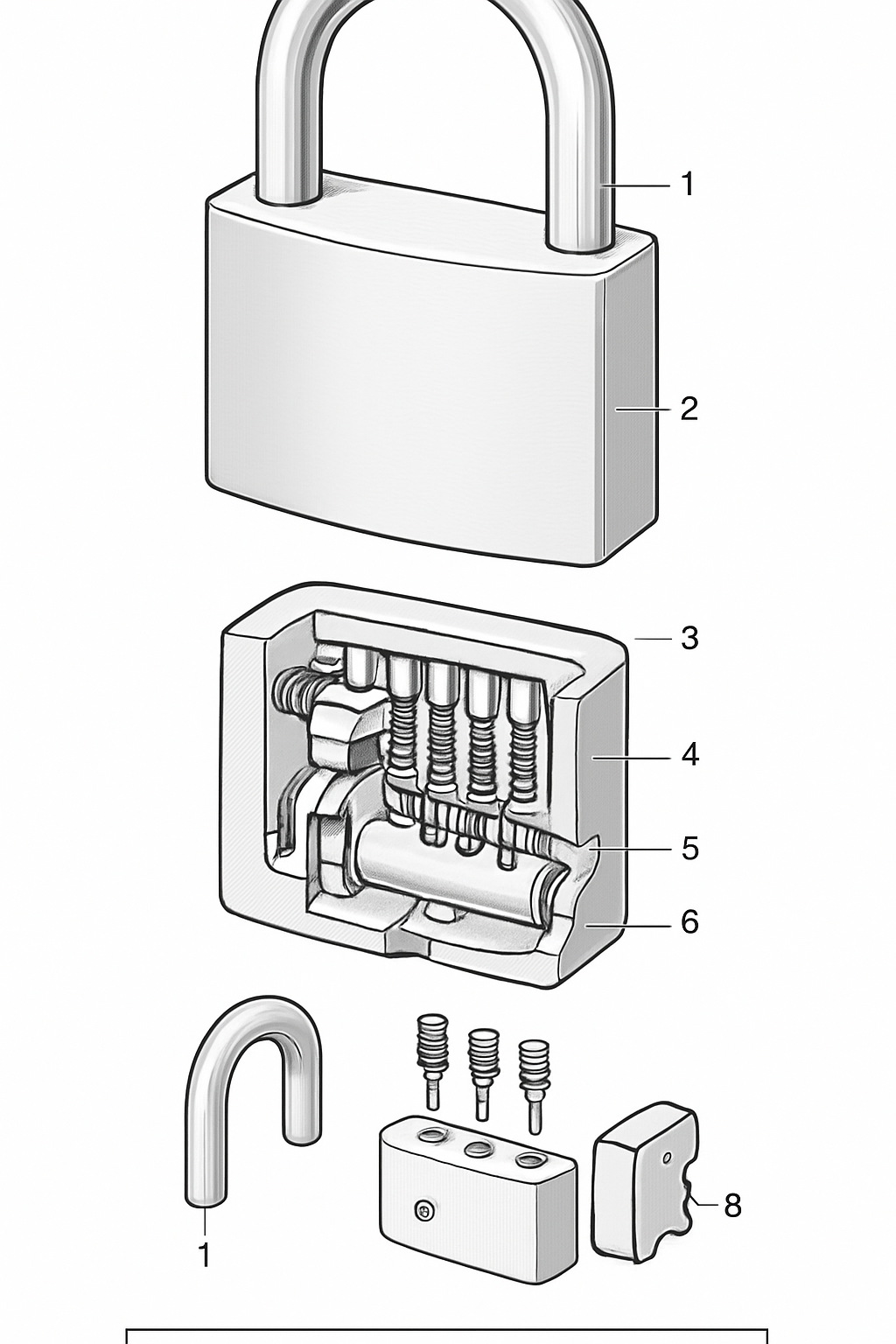
What licensing signals and why credentials matter.
A license is not just a sticker on a van. It represents minimum training, local oversight, and usually a record of complaints or discipline. When a locksmith hands me a license number I check it with the issuing authority when I can. That quick verification has prevented hiring people who use plausible titles without proper authorization.
Insurance and liability are not optional concerns.
A reputable locksmith will have liability insurance and usually a bond in place. If a damaged door frame or a scratched car results from a job, that policy is what pays for repairs. I have watched a homeowner take a low quote from an unvetted operator and then pay triple to repair careless damage. If they cannot show proof of insurance, step away and call another 24 hour locksmith option.
Technical skill versus marketing gloss: what to ask.
Ask about the exact model of lock they work on and a recent similar job they completed. Experienced professionals will name brands, part numbers, and the procedural steps they took. If the response is evasive and centered on "we do it all", consider it a warning. A car lockout service uses different tools and skills than a home rekey, and a candid pro will explain that.
How to interpret locksmith pricing.
Cheap flat rates can hide expensive upsells for parts or "emergency" fees. A responsible locksmith will present a clear initial estimate and enumerate variables like travel, after-hours, and parts. When I quote for rekeying a house I separate labor from parts and show why old hardware may require replacement. This transparency prevents surprises and lets you compare "locksmith near me" offers on equal footing.

Emergency response realities for a 24 hour locksmith.
Expect a licensed emergency locksmith to ask for proof of ownership or ID before any entry is attempted. Requiring ID protects both parties from liability and reduces the chance of assisting a wrongdoer. You will receive realistic arrival estimates, not the ubiquitous "10-minute" claims from flashy ads. In peak moments like storms a pro could take 30 to 90 minutes to reach you, and transparent operators will explain the delay.
Car locksmith details that matter for safe service.
Today's vehicles often include transponders and electronic key fobs that become expensive if service is careless. An experienced auto locksmith will request the vehicle year, make, and VIN prior to doing key cutting or fob programming. Some operators advertise "car key replacement" while subcontracting electronic programming elsewhere, increasing cost and lead time. If warranty and turnaround matter to you, insist the technician programs on site and can show credentials.
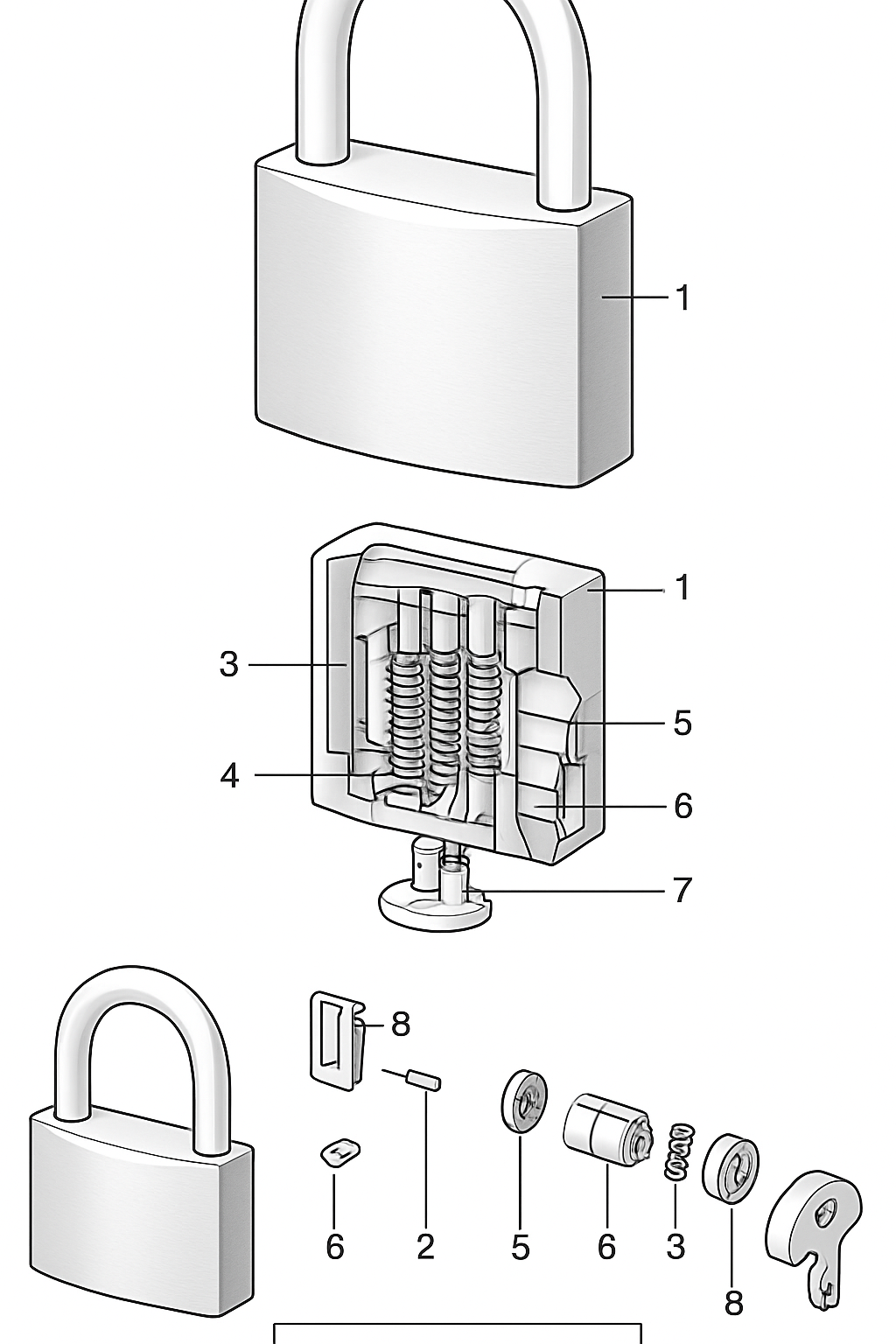
When rekeying makes sense and when replacement is better.
Rekeying is a cost-effective solution when hardware is in good shape but the key set is compromised. Replacement is wiser when hardware is corroded, the strike is damaged, https://locksmithunit.com/ or the lock is old enough that parts are obsolete. A professional will inspect cylinder function, bolt torque, and door alignment before recommending rekeying or full replacement. Those on-site tests save money and reduce repeat service calls.
Commercial locksmith projects demand a wider view of security.
Commercial sites often need master key systems, access control, and audit trails, not just a single cylinder change. A certified commercial locksmith will explain trade-offs among convenience, security, and ongoing maintenance costs. A client who cut corners with budget locks later spent about three times as much to upgrade to full access control. Planning and licensed installation avoid that trap, and they keep your insurance happy when claims arise.
Steps to vet a locksmith quickly and build a reliable relationship.
Demand ID, a license number, insurance evidence, and a written quote before they touch a lock. Call the number on the company website or a verified business listing rather than a random ad number on a social post. Save receipts and note brand and model of changed hardware to help with later maintenance or warranty issues. For ongoing protection, book periodic security reviews with a consistent licensed pro to monitor wear and propose improvements.
Services checklist: what a professional shop commonly offers.
Licensed locksmiths commonly handle rekeying, changing locks, cutting keys, replacing car keys, and emergency lockouts. They often do key fob replacement, install access control, perform safe work, and provide security consultations. Confirm which offerings are in-house and which are subcontracted so warranty responsibility is clear.
How to balance cost, speed, and trust when choosing a locksmith.
When locked out of a car, speed is crucial, but for a permanent home install warranty and correct technique are more important. You can pay a premium for same-day arrival, or accept a modest wait to get a licensed pro who provides documentation and insurance. If a company declines to provide a written estimate or to show credentials, that refusal is a warning sign. Base your choice on urgency, documentation, and the technical complexity required.
Selecting a licensed or certified locksmith is a pragmatic choice that protects safety, budget, and long-term convenience. If you keep the vetting steps above in your phone and insist on written estimates and proof of insurance, you will avoid most common pitfalls. A trustworthy locksmith becomes a security partner for your home or business, and that continuity pays dividends over the long run.